Sportsbooks Spent Billions on Stadium Deals. Novig Spent One Ad.
Novig gave Sydney Sweeney equity and ran a Super Bowl-caliber ad. Here is why the regulatory gap between prediction markets and traditional sportsbooks makes that exact move impossible for DraftKings or FanDuel to copy.
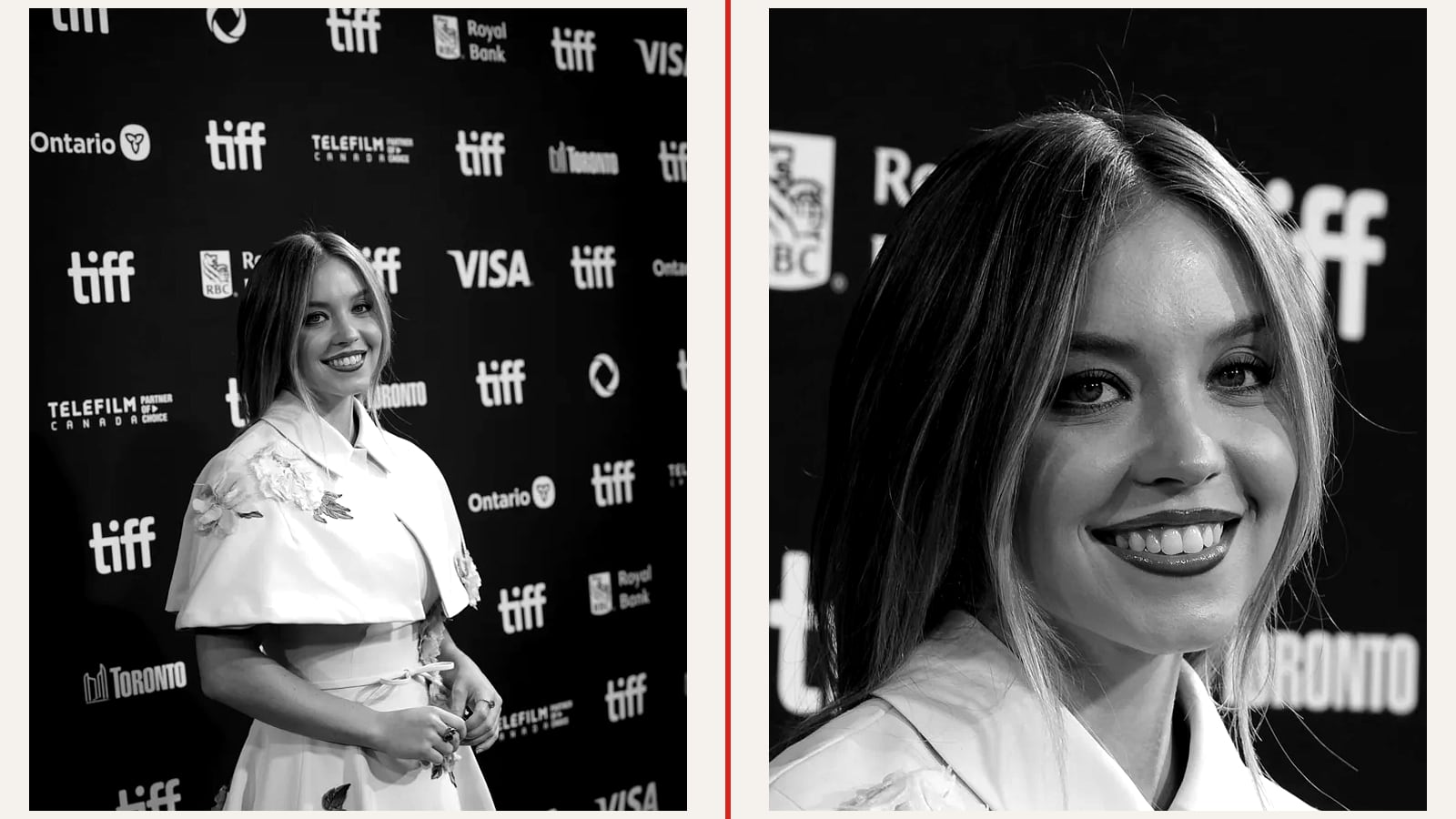
Sydney Sweeney's Novig sports betting ad took center stage this week, but the real story underneath is not about the actress or the nudity. It is about a war between two entirely different betting structures, and Axios reported this week that Sweeney's ad signals just the beginning of the competitive onslaught. Novig is not a sportsbook. It is a prediction market. The distinction matters enormously to the betting industry, and the regulatory battle underneath is worth billions.
What separates prediction markets from sportsbooks
A sportsbook (DraftKings, FanDuel, BetMGM) takes positions on sports outcomes. You bet $100 on the Eagles to cover; if they do, the sportsbook pays you. If they do not, the sportsbook keeps the $100. The sportsbook is the house. It sets odds, manages its position risk, and is state-regulated.
A prediction market (Kalshi, Polymarket, Novig) is fundamentally different. It is not a house. Kalshi, a federally regulated prediction market, facilitates peer-to-peer betting on binary outcomes: will this happen, yes or no? You bet $100 that the market will close above X; another user bets $100 that it will not. The platform takes a tiny commission. Neither the house nor the market maker takes the position risk—the users do, against each other. This is why prediction markets can operate under CFTC (federal) oversight, while sportsbooks are state-regulated.
Why the regulatory distinction matters
The CFTC has been quietly working since 2024 to create regulatory space for prediction markets. In January 2023, the CFTC approved Kalshi to operate prediction markets on economic and political events, a watershed moment. Unlike sports betting, which is trapped in state-by-state licensing wars (New York versus New Jersey versus Nevada versus Illinois, each with different rules), prediction markets get one federal arbiter. That means a platform can scale nationally in weeks, not years.
Scale matters more than you might think. Sportsbooks conquered the market by sheer capital—DraftKings and FanDuel have spent billions on sports sponsorships, NFL partnerships, and celebrity endorsements (Peyton Manning, Aaron Rodgers). They have entire stadiums branded with their logos. But they are trapped in a fragmented regulatory cage. They cannot simply expand into a new state; they have to license, comply with that state's specific rules, and re-brand for local audiences.
Prediction markets have a different problem: almost nobody has heard of them. Kalshi and Polymarket are known in finance and tech circles, but not to mainstream sports bettors. That is where Novig comes in.
Sydney Sweeney is not the story; she is the signal
Sweeney's reported equity stake in Novig and her role as a creative partner on the ad is not celebrity endorsement. Newsweek reported that Sweeney was positioned as an equity partner with creative input, not just talent. This is the signal. It says: Novig is not trying to compete with DraftKings on their terms (athlete endorsements, stadium sponsorships, "safe" branding). Novig is trying to own the culture shift faster. They want the actress willing to be provocative, willing to take reputational risk, willing to show that a prediction market app is not for finance-nerds—it is for everyone.
The ad itself proves the point. It is irreverent. It is sexual. It breaks the mold of how betting platforms have been advertised in the mainstream. DraftKings would never run this ad. FanDuel would never approve it. Not because they are prudish, but because they are trapped by their own regulatory fragmentation. A state gaming board in Texas or Florida could use provocative advertising as a reason to deny or delay licensing. Conservative states would weaponize it. Prediction markets do not have that problem—they have one federal regulator.
The apps are climbing
In the week after the ad ran, Novig's app ranking spiked dramatically. Axios reported that Novig moved into the top 20 sports apps within days, a jump that would normally take months of marketing spend. Kalshi has been climbing steadily in the past year, now competing directly with DraftKings in certain categories. DraftKings and FanDuel are still larger in absolute user base, but the velocity is the story.
Sportsbooks are not sitting still. Multiple sportsbook platforms have begun rolling out binary-outcome betting products (essentially prediction market mechanics) to keep users from leaving. When the distribution leader is forced to copy the disruptor, it means the disruptor is winning the narrative.
The billions underneath
This is a race to lock in market share before the regulatory landscape crystallizes. The CFTC is still writing guidance. States are still deciding how prediction markets will be taxed and licensed. The first player to capture millions of mainstream users gets to shape the infrastructure that will outlast the regulatory uncertainty. They get the switching costs on their side. They get the network effects.
That is why Novig spent millions on Sweeney. That is why she has an equity stake. That is why the ad is shocking. Because in a winner-take-most market for betting distribution, the fastest way to mainstream attention is to be willing to break norms that your competitors are too trapped to break. Sweeney did not make the ad because she loves gambling. She made it because Novig is betting that the future of betting belongs to the platform willing to own the culture.
October update: the numbers confirmed it
Three weeks after the September ad, CNBC reported that Novig credited the Sweeney campaign directly: trading volume rose 94% in the 20 days surrounding the launch, and first-time depositors increased 218%. Those are not soft metrics. A 218% jump in new depositors in 20 days is a structural event: those users now have accounts, have gone through KYC verification, and are in Novig's funnel. Converting new depositors is significantly harder than converting existing users. Novig paid for the attention with controversy. The attention converted into the hard stuff.
On October 11, Novig published a second Sweeney ad. She addressed the backlash directly, with a line that named the critics' own behavior: "There are grown men making spreadsheets to bet on what color underwear I'm wearing." The ad ended with Sweeney holding two footballs and the caption: "No BS. Just sports." As this desk covered, the line is tactically precise. It takes the people who spent weeks describing Sweeney's body in detail and names that behavior back at them. The platform ran a second expensive campaign after seeing the first campaign's metrics. That tells you what they saw.
Nebraska: where the sportsbooks' structural advantage shows
Prediction markets have one federal regulator and a scaling advantage. But sportsbooks have state political capital. As we covered when the Nebraska ballot initiative crystallized: FanDuel and DraftKings combined have spent $14.65 million on the November 3 campaign to legalize sportsbooks in the state. Kalshi and Polymarket have already been operating in Nebraska under CFTC jurisdiction, because prediction markets do not need state approval. FanDuel and DraftKings cannot enter without a voter mandate. That is the other side of the regulatory gap: sportsbooks can mobilize state political infrastructure and money. Prediction markets can only wait.
The Nebraska vote is a test of which structural advantage is more durable. If sportsbooks win the ballot, they enter Nebraska with full legal standing and massive existing brand recognition. If prediction markets keep operating while sportsbooks fight for a license, Novig and Kalshi collect months of additional user data. Neither outcome settles the war. It shows which weapon wins a particular battle.
What to watch
Watch the Nebraska November 3 result: a win for the FanDuel/DraftKings ballot initiative means the sportsbook model can still mobilize state-by-state, and that the $15 million political spend was worth it. Watch whether Novig runs a third Sweeney ad, which would confirm the company believes the controversy-as-marketing playbook has more cycles left. Watch Kalshi's app ranking heading into the NFL playoffs, the first real test of whether prediction markets can hold mainstream users through a full season. And watch whether the CFTC uses the Nebraska dynamic as a reason to tighten or clarify its guidance on sports events: the longer sports prediction markets operate without explicit federal blessing, the more ammunition state regulators have to challenge them.
Sydney Sweeney's ad is not the news. The news is that someone with billions of dollars thinks the fastest way to win a markets race is to attach a famous woman to your app and break every taboo in the advertising playbook. Three weeks and 218% more depositors later, Novig has its answer on whether it was worth it. The market race is still running.
Ad Watch News is an independent commentary site with no affiliation to Sydney Sweeney, Novig, DraftKings, FanDuel, or any gambling platform named here. We cover this story as a case study in how attention becomes market power and how the most significant business battles are often fought through celebrity and culture rather than product. Every attribution above is sourced to the outlets linked in the text and listed below.


Sources & further reading
- Axios: Sportsbooks v. prediction markets, Sydney Sweeney ad is just the beginning
- Yahoo Finance: Prediction markets gaining mainstream adoption
- Newsweek: Sydney Sweeney Joins Novig as Equity Partner, Creative Director
- Kalshi: About - Federally Regulated Prediction Markets
- CFTC: Press Release on Kalshi approval (January 2023)
- CNBC: Novig credits Sydney Sweeney-backed campaign for platform surge in growth (October 3, 2026)
- Ad Watch News: Novig Second Reel and the Spreadsheets Line (October 11, 2026)
- Ad Watch News: FanDuel and DraftKings Spent $15M on Nebraska. Kalshi Did Not Have To. (October 11, 2026)