Kalshi Hit $2.5 Billion and Got 98 Percent of 2026 Midterm Races Right
Kalshi traders correctly called 479 of 487 races and logged more than $2.5 billion in midterm trading, doubling the platform's volume from the entire 2024 presidential year.
At a glance
- $2.5 billion in bets
- Kalshi logged more than $2.5 billion in trading volume on its 2026 midterm markets, more than double the $1.3 billion across the entire 2024 presidential election cycle, per Kalshi's November 4 recap.
- 98 percent accuracy
- Kalshi market favorites correctly called 479 of 487 resolved races by 6am ET on November 4, covering six categories from House to secretary of state.
- Beat the networks
- Kalshi's House control market hit 99 percent probability for Democratic control at 8:10 PM ET on Election Night, before major TV networks made the call.
Four days after the polls closed, Kalshi published its 2026 midterm recap. The headline figures: more than $2.5 billion in total trading volume, and market favorites winning 479 of 487 resolved races. The company called the event "the mega-mega blue tsunami." Democrats took the House, Senate, and a majority of governorships. Kalshi's recap, written by Ben Freeman and published November 4, 2026, says Kalshi markets had already favored Democratic control of both chambers before Election Day, and that most race calls preceded TV network projections by several hours.
The $2.5 billion figure covers trading across nearly 500 midterm markets. For comparison, the full 2024 presidential election cycle, which included the presidential race, produced $1.3 billion on the same platform. A midterm year just outpaced a presidential one.
The House Market Alone Hit $400 Million
The single market for "Who Will Control the US House of Representatives" accumulated more than $400 million in trading, per Kalshi's recap and corroborated by crypto.news and KuCoin News. At 8:10 PM ET on Election Night, that market hit 99 percent probability for Democratic control. The major TV networks had not yet made the call. At 9:00 PM ET, the Senate control market crossed 99 percent for Democrats.
Fox News had already published an exclusive on November 1, citing Kalshi data, showing $1.2 billion had traded before Election Day. The piece included an industry breakdown: arts and entertainment workers put 60.1 percent of their money on Democrats, while law enforcement put 67.9 percent on Republicans. Education was 58.3 percent Democratic. Legal services split nearly evenly. These are where traders expected races to land, Kalshi noted, not necessarily how workers in those industries planned to vote.
The Senate Already Saw This Coming
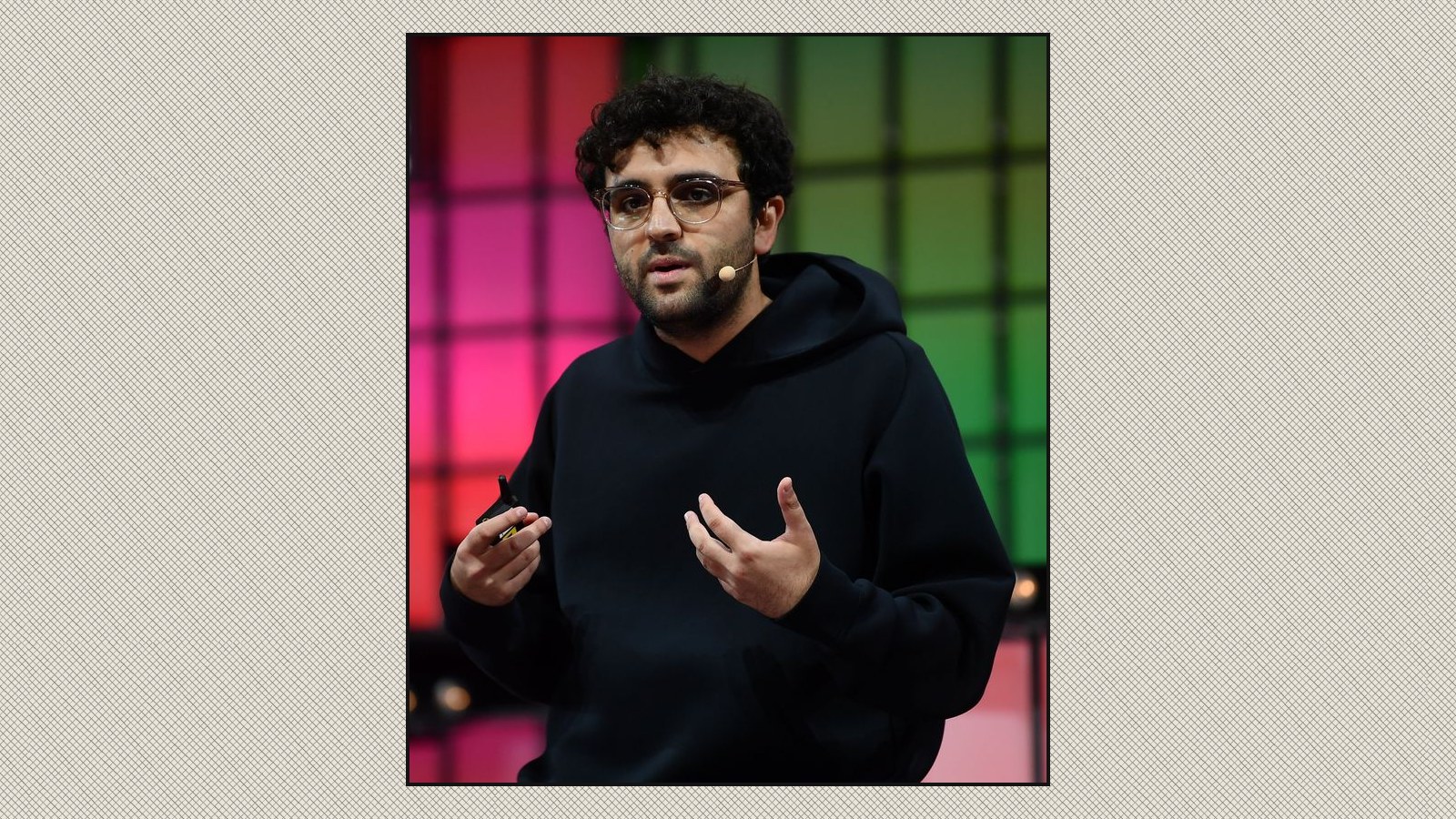
In April 2026, months before the volume figures became clear, the Senate quietly updated its own ethics rules. Per an AP report on April 30, 2026, the chamber voted by voice to bar senators and staff from "any agreement, contract, or transaction" whose payout depends on the occurrence of a specific event. Sen. Bernie Moreno sponsored the measure; Sen. Alex Padilla expanded it to include staff. Kalshi CEO Tarek Mansour called the move "a great step to increase trust in our markets," noting the platform already restricts Congress members from trading.
The Senate acting before the election says something. Lawmakers rarely move fast on new technology. The prediction market category had grown large enough, and credible enough, to require a rules change before the votes were counted.
What the Ad Push Was Really For
The prediction market industry spent 2026 on a visibility campaign. Novig's Sydney Sweeney ad, which generated two months of controversy and coverage starting in September, was one front in that effort. The sportsbooks versus prediction markets race we covered earlier this fall framed the same dynamic: sportsbooks spent billions on stadium naming rights; prediction markets spent on celebrity advertising and digital acquisition. The Novig ad delivered controversy and name recognition. The 2026 midterms delivered the proof that the category works at scale.
Earlier this month, we asked whether Kalshi could be trusted after missing Wisconsin at 95 percent. The Wisconsin primary was August 11; the platform put Francesca Hong at 95.9 percent, and David Crowley won. The midterm results put that miss in context. Kalshi finished 479 for 487. Crowley was the 1-in-20 event the market had always priced in.
The 2028 Floor Is $2.5 Billion
Kalshi's recap says the platform plans a 2028 presidential hub. Jon Ossoff is already surging in the 2028 Democratic nominee market, and Ron DeSantis's odds have quadrupled since Election Night. A separate bill from Sens. Todd Young and Elissa Slotkin that would ban all federal employees from using insider information for prediction market bets has not yet moved in the House.
In 2024, the entire presidential election cycle produced $1.3 billion on Kalshi. The 2026 midterms produced $2.5 billion on the same platform. The 2028 presidential race starts with that as the floor.
Ad Watch News is an independent commentary site and has no affiliation with Kalshi, Polymarket, Novig, or any prediction market platform named in this article.


Sources & further reading
- Kalshi: "2026 Midterms Recap: The Mega-Mega Blue Tsunami," Ben Freeman, November 4, 2026
- Fox News: "Traders pour nearly $1.3 billion into predicting who will control Congress," Amanda Macias, November 1, 2026
- KSAT / AP: "Senate bans its own members and staff from betting in prediction markets," April 30, 2026
- Crypto.news: "Kalshi tops $2.5B in midterm trading, nearly doubling 2024 volume," November 2026
- KuCoin News: "Kalshi: 2026 US Midterm Election Market Volume Exceeds $2.5 Billion," November 2026
- Wikimedia Commons: Tarek Mansour, Web Summit 2021, photo by Diarmuid Greene / Web Summit, CC BY 2.0